MeitY has formally proposed integrating rare-earth magnet recycling into the government’s Production-Linked Incentive (PLI) scheme, aiming to transform India’s e-waste into a strategic national asset. This isn’t just about cleaning up; it’s a calculated move to bolster domestic manufacturing and reduce a critical dependency that could otherwise derail India’s green ambitions.
The Tiny Titans: Why Magnets Are So Critical
Rare Earth Permanent Magnets (REPMs), often containing elements like Neodymium and Dysprosium, are the unsung heroes powering everything from electric vehicle motors and wind turbines to smartphones and defense systems. These tiny titans are crucial because they offer unparalleled magnetic strength in a compact size, enabling the smaller, lighter, and more efficient devices that define modern technology.
However, there’s a catch. Despite India holding the world’s third-largest rare earth reserves, it imports nearly all its finished rare earth magnets. In the fiscal year 2024–25, India imported approximately 54,000 tonnes of rare-earth magnets, while domestic production languished under 3,000 tonnes. The elephant in the room? China. It dominates the global rare earth market, producing around 60% of the global supply and processing nearly 90%. Recent export restrictions from China have sent ripples through global markets, highlighting India’s acute vulnerability.
PLI Scheme: A Push for Domestic Muscle
The existing PLI scheme for REPMs focuses on incentivizing domestic manufacturing through financial support like capital subsidies and sales-based incentives. The goal is ambitious: establish five new manufacturing plants with a combined production capacity of 6,000 tonnes per year. MeitY’s proposal now seeks to expand this scope to include recycling, making it a two-pronged strategy for self-reliance.
India’s E-Waste Challenge, A Golden Opportunity
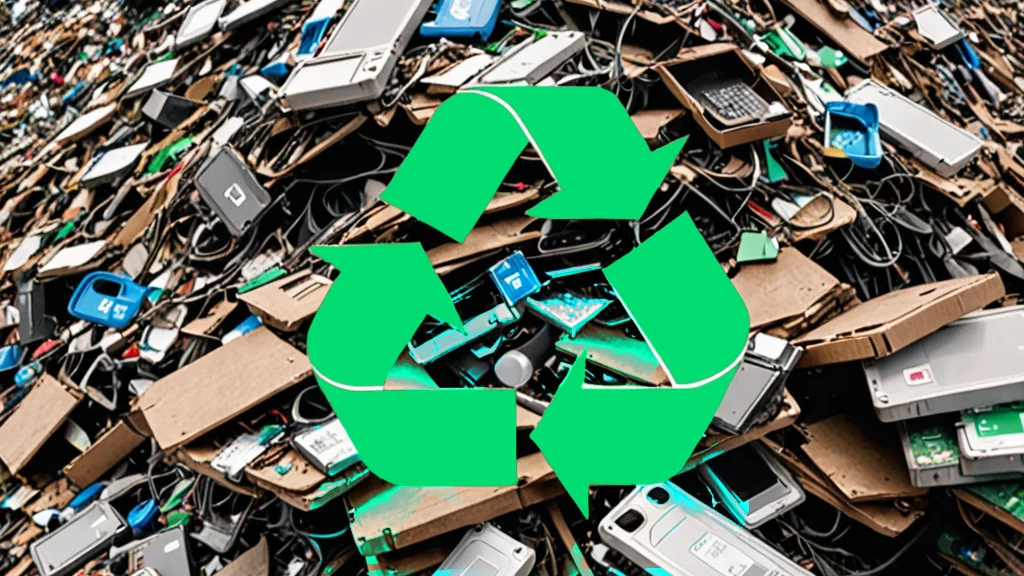
India is a significant contributor to global electronic waste, generating approximately 4.17 million tonnes in 2022, ranking among the top three worldwide. This ever-growing mountain of discarded electronics contains a treasure trove of valuable materials, including rare earth magnets. By formalizing magnet recycling within the PLI framework, India aims to tap into this ‘urban mine’.
The benefits are multi-fold: it reduces dependence on volatile global supply chains, creates a circular economy for critical minerals, generates employment, and significantly lowers the environmental impact. Recycling rare earths can reduce the carbon footprint by up to 80% compared to extracting them from virgin sources. Experts suggest that recycling could potentially meet up to 40% of India’s rare earth metal demand.
Navigating the Hurdles and Forging Ahead
While the vision is clear, implementation has its complexities. There are inter-ministerial discussions regarding jurisdiction (Ministry of Heavy Industries vs. Ministry of Mines) and the allocation of funds within the PLI scheme. Furthermore, technological gaps, the lack of robust reverse logistics, and the need for scalable, efficient extraction processes are challenges that need addressing. However, Indian recycling companies like BatX Energies, Attero India, Lohum, and Recyclekaro are already active, with some even forging international partnerships to develop advanced recycling ecosystems.
The Bigger Picture: A Green, Self-Reliant India
MeitY’s proposal is a crucial step in India’s broader National Critical Minerals Mission and its commitment to achieving carbon neutrality by 2070. By fostering an indigenous rare earth magnet ecosystem that includes both manufacturing and recycling, India isn’t just securing its technological future; it’s also positioning itself as a leader in sustainable industrialization and a resilient global supply chain. This strategic move could turn India’s waste into wealth, making the nation truly ‘Atmanirbhar‘ in the critical materials crucial for the 21st century economy.
Follow DeshkaNews on X (Twitter) to receive updates on the latest post.