India’s automotive landscape is undergoing a significant transformation, and at the forefront is Tata Motors’ strategic demerger. The auto giant has successfully separated its commercial vehicle (CV) business from its passenger vehicle (PV) operations, including electric vehicles (EVs) and Jaguar Land Rover (JLR). While the Passenger Vehicle entity is already navigating the market under a new identity, investors are keenly awaiting the official stock market listing of the Commercial Vehicle arm.
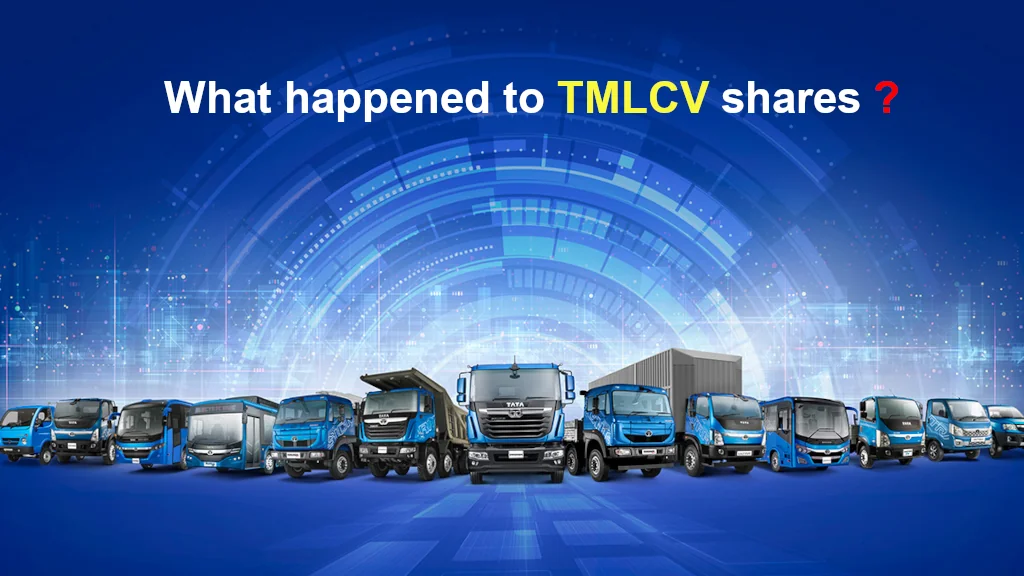
On October 1, 2025, the demerger formally took effect, carving Tata Motors into two distinct listed entities. The original Tata Motors Limited has been renamed Tata Motors Passenger Vehicles Limited (TMPV) and began trading under the new symbol from October 24, 2025. This new entity houses the passenger vehicle, EV, and JLR businesses. Meanwhile, the Commercial Vehicle business has been spun off into TML Commercial Vehicles Limited (TMLCV), with its shares allotted to eligible shareholders on October 15, 2025.
Shareholder Implications and Listing Status
For existing Tata Motors shareholders, the demerger was executed with a 1:1 share entitlement ratio. This means for every one share of Tata Motors held on the record date of October 14, 2025, shareholders received one fully paid-up share of TML Commercial Vehicles Limited (TMLCV) with a face value of ₹2. A total of 3,68,23,31,373 TMLCV shares were allotted.
Post the record date, the erstwhile Tata Motors stock experienced a technical adjustment, with its price dropping by nearly 40%. For instance, if the pre-split close was ₹660.75, the PV entity (now TMPV) traded around ₹400, implying a market valuation of approximately ₹260.75 per share for the newly formed commercial vehicle business.
While TMLCV shares have been credited to demat accounts, they are currently frozen and not yet tradable. This is because the stock is awaiting listing approval from both the Bombay Stock Exchange (BSE) and the National Stock Exchange (NSE). The approval and listing process typically takes around 45–60 days from the date of application submission. Market experts expect trading in TMLCV shares to commence by late November 2025.
Decoding the Demerger
The move to demerge wasn’t a sudden decision. Tata Motors had announced the plan in March 2024, citing a clear rationale: to unlock value and enhance strategic focus for both segments. N Chandrasekaran, Chairman of Tata Motors, highlighted that both PV and CV businesses have distinct models, market cycles, and capital requirements.
- Distinct Business Models: The CV segment is intrinsically linked to industrial activity, infrastructure spending, and logistics growth, often exhibiting cyclical patterns. In contrast, the PV segment, especially with its rapidly expanding EV and luxury (JLR) portfolios, demands multi-billion-dollar investments in technology, platforms, and software.
- Better Capital Allocation: By separating, each business can independently raise and allocate capital, ensuring resources are optimally channeled towards their specific growth strategies without one segment constraining the other.
- Enhanced Investor Clarity: The demerger offers investors a clearer lens to value both businesses. Instead of a conglomerate with blended valuations, shareholders can now assess the CV and PV entities against their respective peers, potentially unlocking intrinsic value. Analysts anticipate that TMLCV could be valued in the ₹320–470 range once listed.
- Operational Agility: Independent management teams and focused strategies allow each business to respond faster to market dynamics and pursue their growth trajectories with greater agility and accountability.
The Bigger Picture for India’s Auto Sector
This demerger sets a precedent in the Indian automotive sector, signaling a trend towards more focused and value-centric corporate architectures. It allows both entities to pursue their growth with greater clarity. The PV arm can accelerate its EV adoption and premium offerings, while the CV arm can capitalize on the robust demand for commercial fleets and the burgeoning electric bus market.
Investors and market watchers will be keenly observing how this restructuring impacts the performance and valuation of both entities. Brokerages have largely welcomed the move as a significant value-unlocking exercise, anticipating improved corporate governance and capital efficiency.
As we await the official listing of TMLCV, the demerger marks a pivotal moment for Tata Motors, promising a future of specialized growth and enhanced investor clarity. Keep an eye on regulatory announcements for the precise trading commencement date for TMLCV shares.
Disclaimer: Any stock market-related information on this website is for informational purposes only. Users are advised not to use this as a recommendation of any sort.